Is Virtual Therapy Actually Effective?
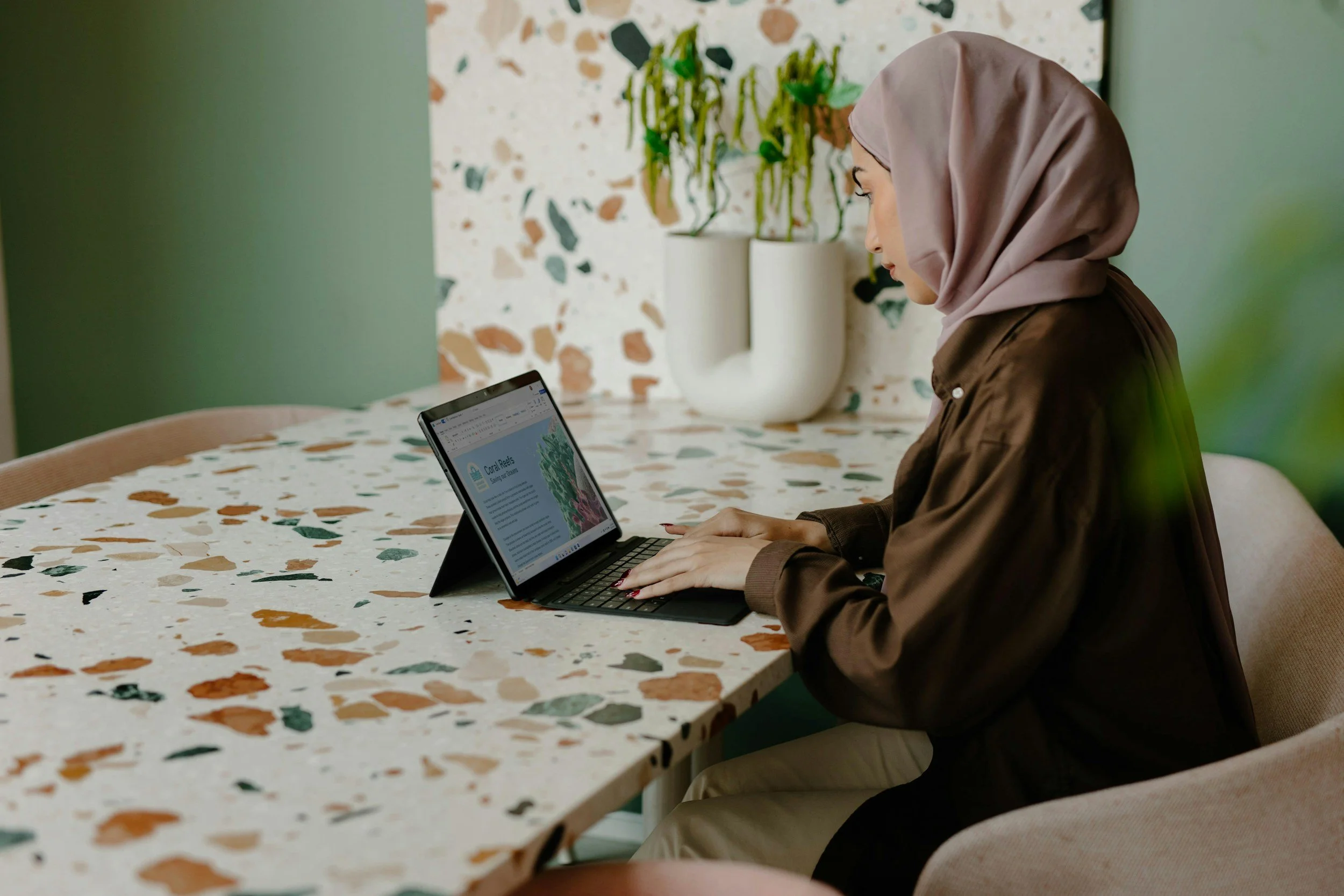
The short answer: yes.
This is because virtual therapy makes one of the key research-indicated factors possible — consistency.
When you are living a busy life, which most of us are, it is hard to step away from everything weekly or biweekly to make time for yourself consistently. This makes attendance difficult, but when you are able to log into your session realistically within that busy life, it makes therapy much more effective and more easily a part of your day.
What the Research Actually Says
Multiple large studies and meta-analyses over the past decade have compared video-based therapy to in-person therapy. These studies consistently found that the outcomes for most common concerns — anxiety, depression, relationship conflict, life transitions — were statistically similar for both formats. This means that if you saw improvement doing therapy in person, then you have the same chance of seeing improvement doing it over video.
How is this possible? Because the rapport between you and your therapist is what gives you the absolute best chance at improvement. That rapport is built through you and your therapist showing up consistently and on time to session, just like dosages of a medication.
Where virtual therapy specifically helps clients like you
Family and caregiving logistics. If you're managing childcare, eldercare, a multi-generational household, or a work schedule that changes week to week, being able to log in from home is often what decides whether you actually go consistently, or not at all.
Finding the right therapist, not just the nearest one. It's already hard enough to find someone who understands Islamic values, immigrant family dynamics, and South Asian or Middle Eastern culture, without also limiting yourself to whoever happens to be a short drive away.
Less friction to actually start. For most people, starting is the hardest part of therapy. With no commute, parking, or waiting room, virtual therapy removes a lot of what makes people talk themselves out of going right before they would have walked in the door.
What you actually need for a virtual session
A private space where you won't be interrupted or overheard (bedroom, meeting room, parked car), a stable internet connection, and a device with video. That's it. There’s no special software to purchase because session links are sent ahead of time.
When in-person might genuinely be better
Virtual therapy isn't the right fit for every situation. Certain crisis-level safety concerns or some forms of trauma work can call for in-person care. I also don’t recommend virtual therapy for young active children. If that's ever the case for you, that's something we'd talk through together and I'd help you find the right kind of support for your goals.
What this looks like with me
I work with individuals, couples, and families across Pennsylvania and Delaware entirely over secure video. Sessions are built around the same systemic, relational approach I'd use in person. We're just doing it from wherever is private and comfortable for you.
Start with a free call
15–20 minutes, no cost, no obligation. See if working together feels right.
Sources
Lin, T., Heckman, T. G., & Anderson, T. (2021). The efficacy of synchronous teletherapy versus in-person therapy: A meta-analysis of randomized clinical trials. Clinical Psychology: Science and Practice.
Norwood, C., Moghaddam, N. G., Malins, S., & Sabin-Farrell, R. (2018). Working alliance and outcome effectiveness in videoconferencing psychotherapy: A systematic review and noninferiority meta-analysis. Clinical Psychology & Psychotherapy.
Bashshur, R. L., Shannon, G. W., Bashshur, N., & Yellowlees, P. M. (2021). Live psychotherapy by video versus in-person: A meta-analysis of efficacy and its relationship to types and targets of treatment. Telemedicine and e-Health.
